Things to do in Calafell: highlights, areas and ideas
A medieval castle, an Iberian settlement facing the sea, five kilometres of seafront promenade and festivals all year round, area by area.
What are the main things to do in Calafell?
What to see in Calafell: Calafell Castle (Santa Creu), the Ciutadella Ibèrica, the Casa Barral Museum, the old town and the market, plus Segur de Calafell. And what to do in Calafell: a day on the beach and the promenade, an evening out and the festivals of each season, from Carnaval to the Medieval Market at the end of August. Sports, routes and other plans have a guide of their own: activities and things to do in Calafell.
Calafell area by area: the beach, the old town and Segur
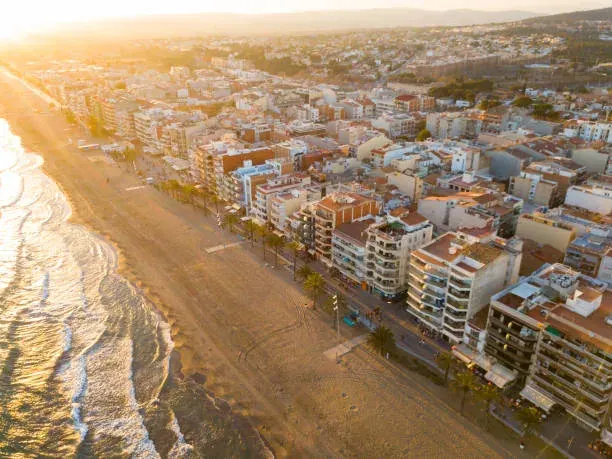
Calafell has three separate centres: the beach with its seafront promenade, the old town – the historic centre, a little inland – and Segur de Calafell.
The beach and the promenade
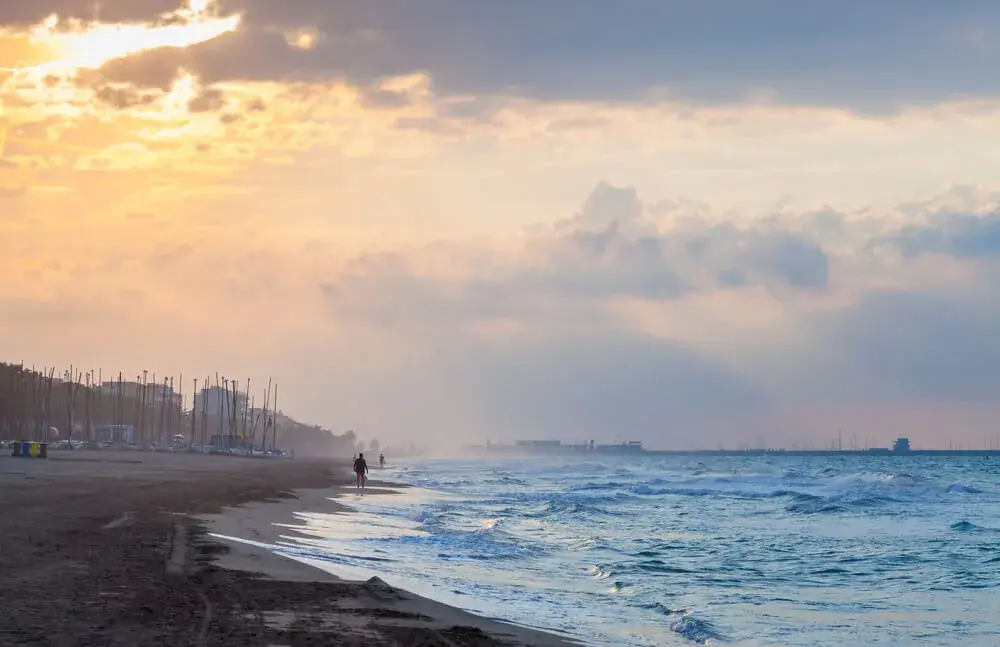
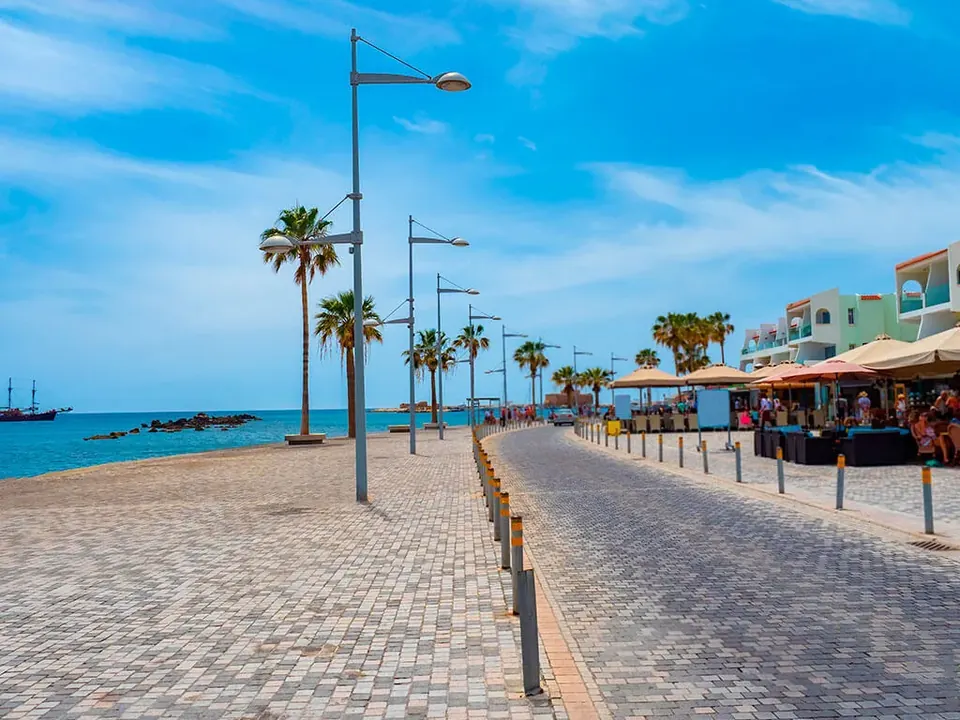
The seafront, with the beach, the promenade, restaurants and places to go out. Hotel Akquaaa is here, on the seafront, with the beach right in front.
When to goA morning on the beach and a stroll along the promenade at sunset.
Who it suitsFamilies and couples.
In this guideCasa Barral Museum, Calafell at night and the Calafell beach guide
Old town (historic centre)
The historic core of the town, best explored on foot.
When to goA mid-morning walk.
Who it suitsCulture and history lovers; families too, for the castle visit.
In this guideCalafell Castle and old town
Segur de Calafell
The town's second seafront, with its own beach and the marina.
When to goA change of beach for the day, or a stroll round the marina.
Who it suitsFamilies and couples looking for a second beach.
In this guideSegur de Calafell
Highlights: the castle, Ciutadella Ibèrica and Casa Barral
Five stops that explain Calafell, from the medieval castle to the market. The castle, the Ciutadella Ibèrica and La Confraria share a combined ticket.
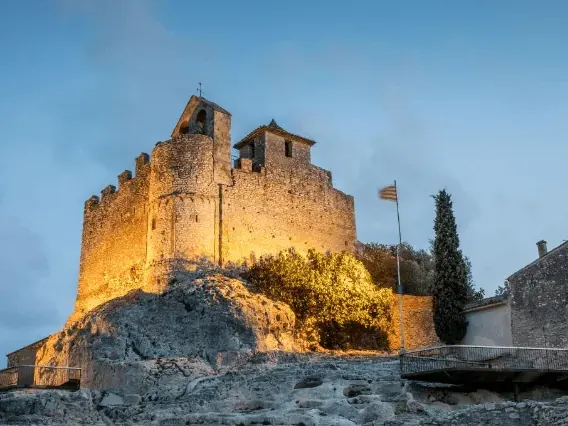
Calafell Castle (Santa Creu)
A medieval fortress first documented in 1037, on the high ground of the old town: the village grew up under its protection. Visita Calafell, which calls it the Castillo de la Santa Cruz in Spanish, presents it as an open-air archaeological park. The visit takes in the cistern, used as a hiding place in the days of pirate raids, the comunidor and the bell gable, and ends at the Romanesque church.
Who it suits: anyone after some history, with a first look at the village thrown in.
Tip: from 1 July to 15 September it opens every day, morning and afternoon; the rest of the year, Wednesday to Sunday. Current opening times and prices are on Visita Calafell (opens in a new tab).
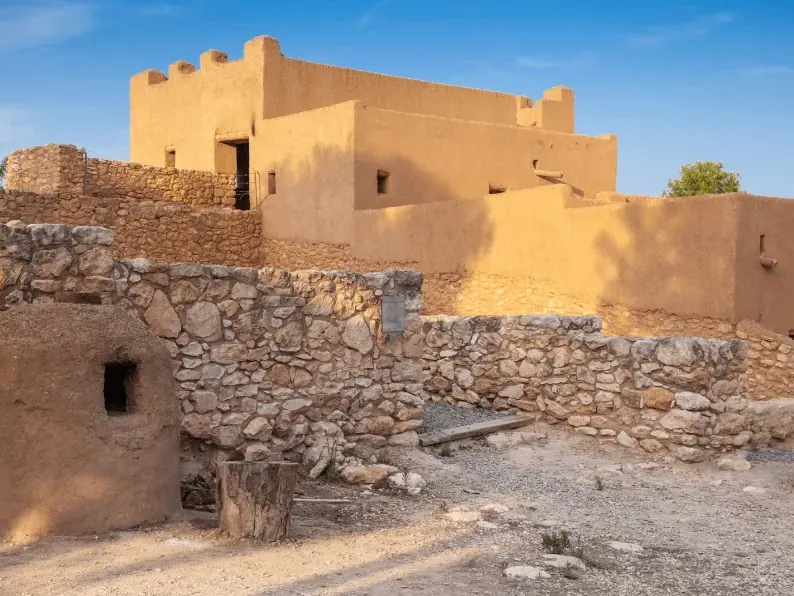
Calafell's Ciutadella Ibèrica (Iberian Citadel)
A settlement of the Cossetani Iberians, also known as the Alorda Park or Les Toixoneres Iberian settlement: a fortified enclosure facing the sea, founded in the 6th century BC, which came to an end in the late 3rd century BC with the Second Punic War. What sets it apart is that it has been rebuilt on its original site using experimental archaeology: you can walk into the houses, furnished with replicas of everyday Iberian objects, and climb up to the defensive towers by way of a replica Roman siege tower.
Who it suits: families and anyone curious about the past.
Tip: it keeps the same calendar as the castle, and the combined ticket covers both.
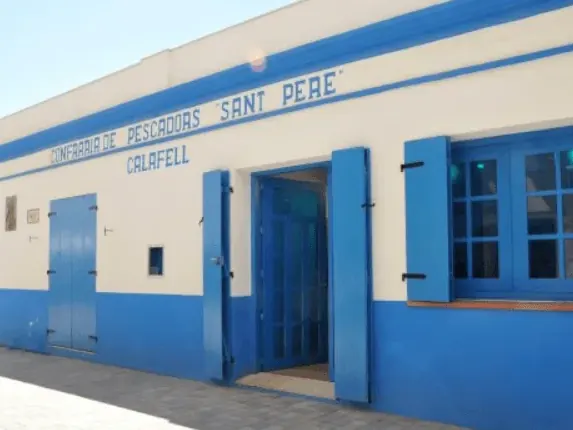
Casa Barral Museum
An old fisherman's house on the seafront promenade, where the poet and publisher Carlos Barral lived, and one of the few buildings left from Calafell's seafaring past. You'll recognise it by its wooden Canarian-style balcony. Inside, the rooms show three sides of Barral: the writer, the publisher and the private man. In the second half of the 20th century, writers such as Gabriel García Márquez, Mario Vargas Llosa and Juan Marsé spent time in Calafell. On the same promenade is La Confraria, the interpretation centre devoted to Calafell's fishing heritage (pictured).
Who it suits: culture-minded travellers.
Tip: admission is free; from 1 July to 15 September it opens every day, and the rest of the year at weekends.
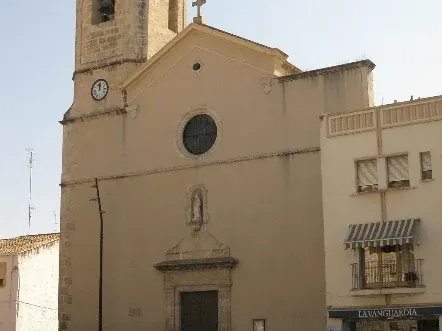
Calafell old town
The old town keeps part of its medieval layout: Carrer Major, Carrer de les Penyes, Plaça del Trinquet and Carrer de l'Aire, where a stretch of cart ruts is carved into the rock. Since the 19th century, village life has centred on Plaça de Catalunya, with the town hall and, opposite, the parish church of Santa Creu, with its three naves and octagonal bell tower. Along the way you'll pass the casas de indianos, houses built with fortunes made in the Americas (Cal Perico, l'Hostal, la Sínia), which are not open to visitors inside, and the Monument to the Farmer in Plaça Mariano Solé: a relief of a farmer and his horse set on a dry-stone wall.
Who it suits: an unhurried mid-morning stroll.
Tip: pair it with the castle, which is in the old town too.
Calafell market
Who it suits: anyone after local produce.
Tuesdays, in Calafell Platja
Weekly open-air market in the morning, on Passeig de la Unió, next to the Municipal Market.
Monday to Saturday, the Municipal Market
On Carretera del Sanatori, with stalls selling fish and seafood, meat, charcuterie, fruit and vegetables.
Fridays, in Segur de Calafell
Weekly open-air market in the morning, on the seafront promenade between Rin and Po streets.
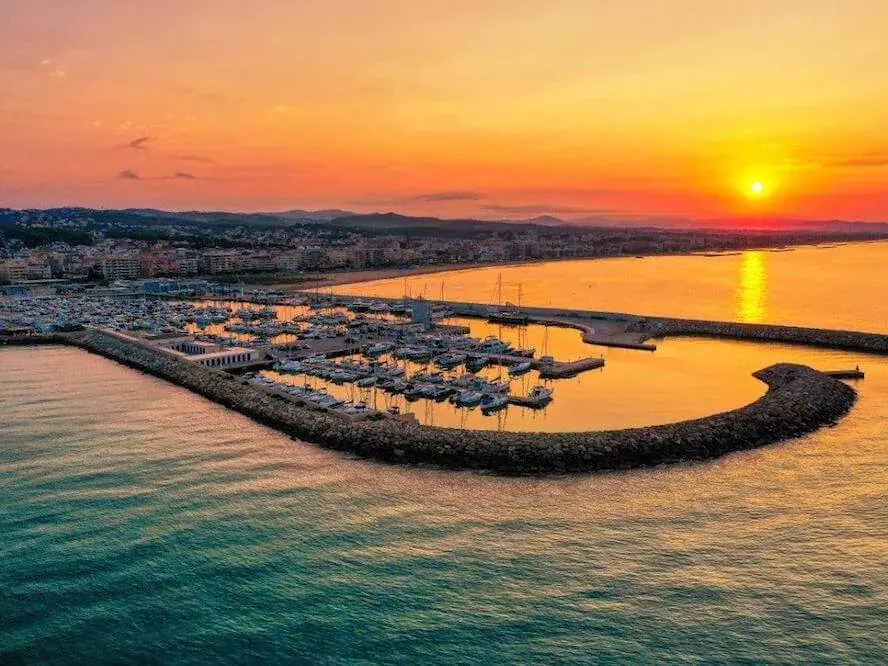
Segur de Calafell: the beach, the promenade and the marina
Segur de Calafell began as a large holiday development, with its own beach and a promenade along the water. Today it has several sights of its own, according to the official tourism website:
- Port Segur-Calafell, the marina, for a stroll among the moorings, restaurants and shops.
- Sant Miquel church, small, built in the transition from Romanesque to Gothic. It is not open to the public; groups can arrange a visit through Calafell Històric.
- The Church of the Assumption, a modern building that hosts concert series.
It slots neatly into a day out: a morning on the beach and an afternoon stroll round the marina. The beach has its own guide: Segur de Calafell beach. Its Festa Major and the rest of the dates are in the town's festival calendar.
Things to do in Calafell at night
An evening in Calafell, in three parts:
Sunset
Walk along the promenade and Calafell beach as the light fades. If you're staying at the hotel, in summer you also have the hotel's Beach Club for guests.
Dinner
The promenade brings together restaurants and places to go out by the sea. One option is in the hotel itself: the Mediterranean cooking of the hotel restaurant, Akquaaa Restaurant.
Later on
According to the official tourism website, the nightlife – music bars, terraces and beach bars – is concentrated in two areas: Calafell Platja and the streets around the marina in Segur de Calafell.
Calafell through the year
Every season has its own reason to visit Calafell. The dates of each year's edition are published in the events calendar.
Winter
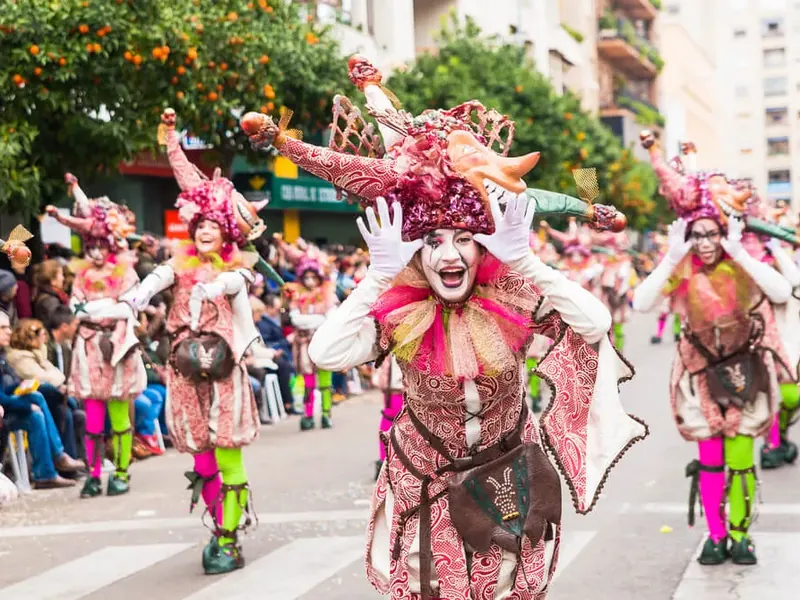
Carnaval in Calafell, with its own guide.
June
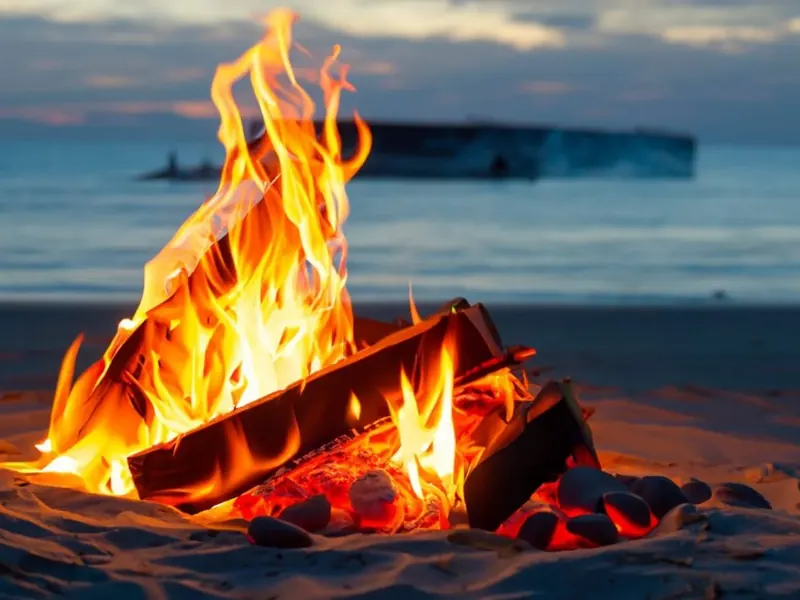
San Juan Night in Calafell, the St John's Eve party that ushers in the summer.
Late August
The Medieval Market, with stalls and shows in the streets of the old town, around Santa Creu castle.
Late September
The Festa Major of Segur de Calafell, in honour of Sant Miquel.
Autumn to spring
The theatre seasons at the Teatre Joan Colet, with autumn, winter and spring programmes.
December, by the sea
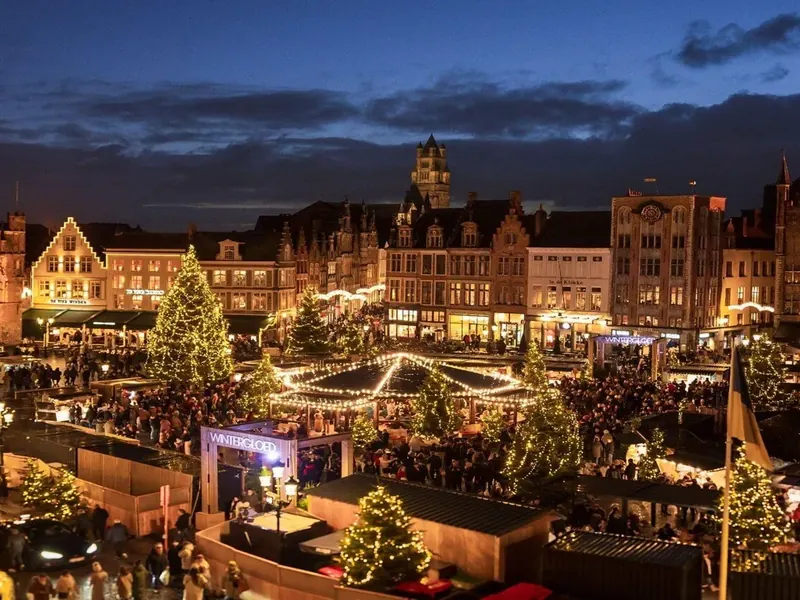
Christmas and New Year in Calafell, by the sea.
December, in Tarragona
December, all over Catalonia
Christmas traditions in Catalonia.
The rest of the year
Festivals and cultural events in Calafell's calendar of festivals and culture.
More things to do in Calafell: activities, the beach and what's on
Three guides go into detail on what this page only touches on.
What to see near Calafell
If you're staying a few days, the rest of the Costa Dorada and the Penedès are easy to reach from Calafell. These guides cover what to see in and around Calafell:
- What to see on the Costa Dorada
The region and its sights, such as Tarragona's Roman amphitheatre.
- Pretty villages near Calafell
Villages for a day trip and visits such as the Pau Casals Museum.
- Penedès wineries near Calafell
Penedès wine and cava. Hotel Akquaaa is a member of the Penedès Wine Route (Ruta del Vi del Penedès).
- Best beaches on the Costa Dorada
Along the coast: other Costa Dorada beaches to mix and match with Calafell's.
- Beaches in Tarragona
The city: Tarragona's beaches and coves, from El Miracle to Tamarit, one by one.
Where Calafell is and how to get there
Calafell is a town in the province of Tarragona, on the Costa Dorada in Catalonia (Spain), between Barcelona and Tarragona. You can get here by train or by road, including from Barcelona and Reus airports. Journey times are approximate and measured from Hotel Akquaaa.
By train
Calafell station, on the Rodalies R2 line, is about 9 minutes' walk from the hotel.
By air
Barcelona-El Prat airport is about 45-50 minutes away by car, and Reus airport about 38 minutes by car.
By car
The hotel's address is Avda. Sant Joan de Déu, 119, 43820 Calafell (Tarragona). The hotel has two parking options, outdoor and indoor, booked in advance through reception; here's how parking at Hotel Akquaaa works.
Transfer
The hotel offers a transfer service, which you can request by email at info@akquaaa.com.
The map and phone number are on the hotel's contact and address page.
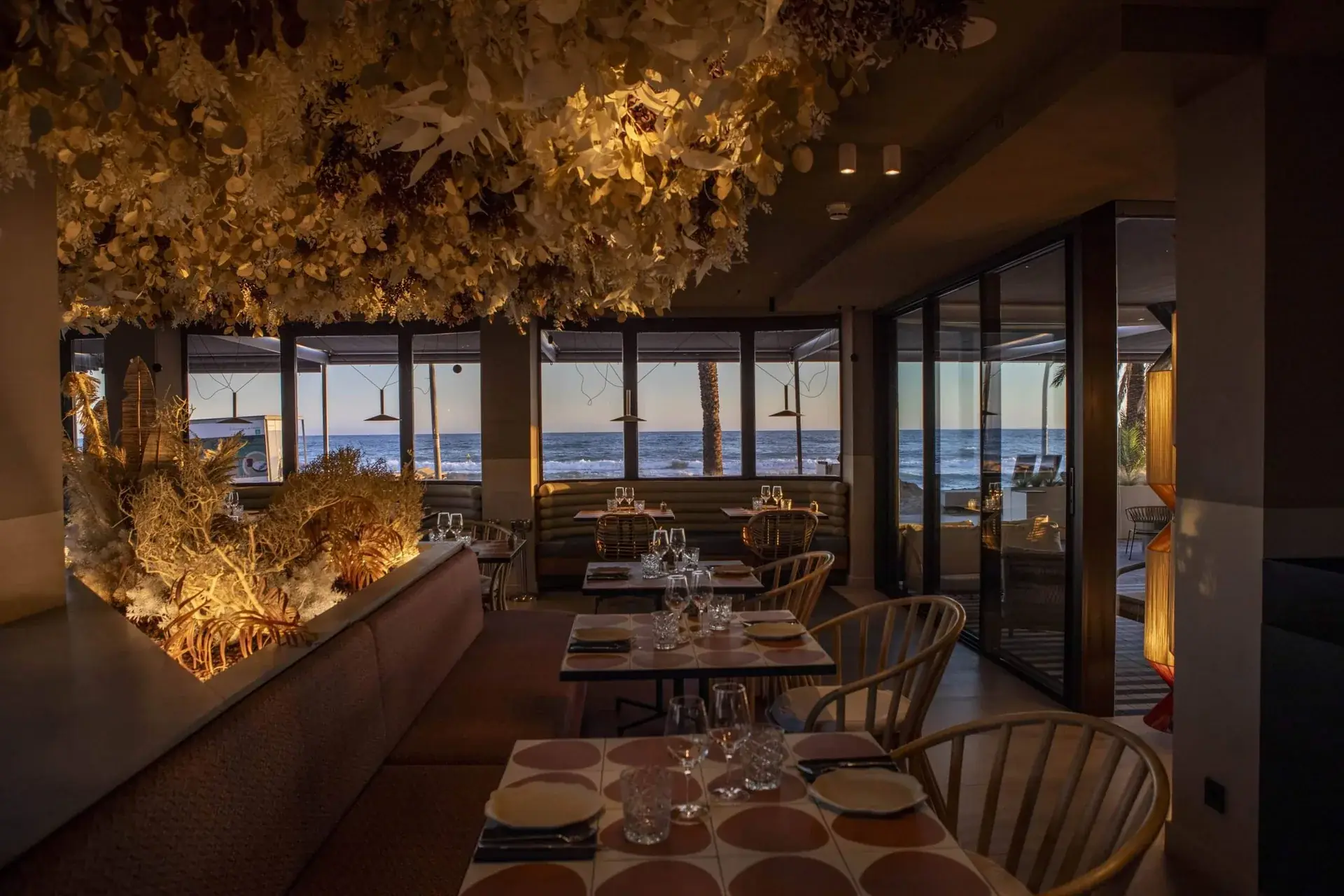
Your base for exploring Calafell: Hotel Akquaaa, on the seafront
A 4-star hotel on Calafell's seafront promenade, with sea-view rooms, about 9 minutes' walk from Calafell station and open all year. In summer, if you're staying at the hotel, you also have its Beach Club, right by the sea.
More articles about Calafell and the Costa Dorada
More ideas from the Hotel Akquaaa blog on Calafell, the Costa Dorada and what to do in each season.