
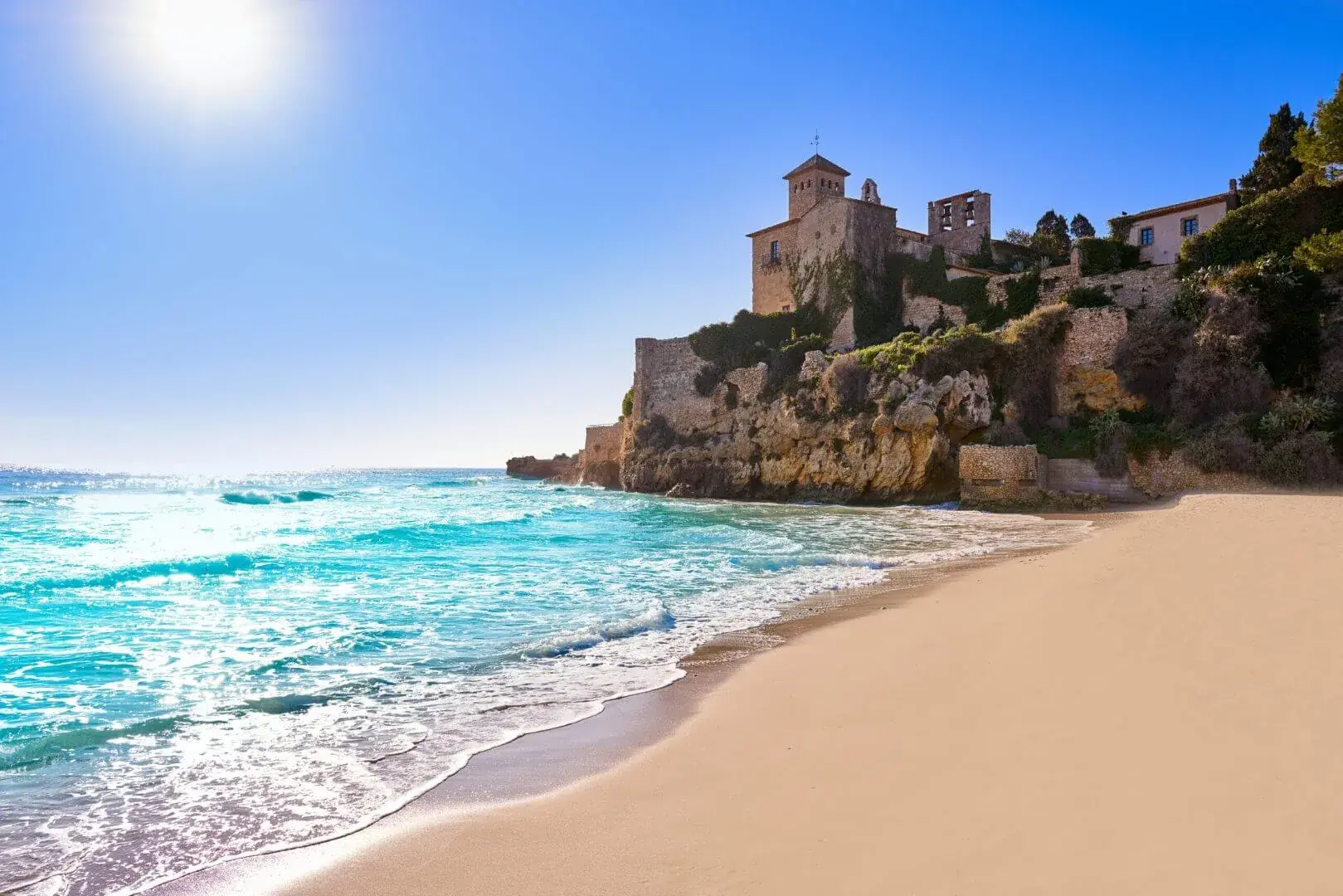
The best Tarragona beaches and coves, from Miracle Beach to Tamarit
Tarragona beaches run from Miracle Beach, the closest to the city centre, to Tamarit, at the foot of its castle. Town beaches come first and then, heading north, coves among the pine woods, all linked by the coastal path. At the end, a round-up of the rest of the province's beaches.
Quick answer
The most beautiful Tarragona beaches, in brief
The most beautiful Tarragona beaches are Miracle Beach, right in the city; Arrabassada, a wide town beach; Platja Llarga, the longest in the municipality; La Mora and Tamarit, further north; and coves such as Cala Fonda, also known as Waikiki. Choose according to what you're after: a town beach, families, peace and quiet, a naturist cove or the scenery. The at-a-glance table sorts them that way.
At a glance: beach types and who they suit
All ten of the municipality's beaches and coves, in order along the coast, from the city centre towards Tamarit.
TypeTown beach with replenished sand
SettingNext to the city centre and the Real Club Náutico
Best forA town beach
TypeWide town beach
SettingPasseig Rafael Casanova
Best forA town beach
TypeSmall, shared by naturists and clothed bathers
SettingBeside the N-340
Best forPeace and quiet
TypeSmall cove (Cala Romana)
SettingBeside the N-340
Best forPeace and quiet
TypeThe longest in the municipality
SettingProtected dunes and wetland
Best forFamilies
TypeNatural naturist cove, no facilities
SettingBosc de la Marquesa; on foot only
Best forNaturists
TypeNatural naturist cove
SettingBosc de la Marquesa
Best forPeace and quiet
TypeSemi-urban
SettingLa Mora residential area, within a nature area
Best forFamilies
TypeSmall cove, no facilities
SettingBelow Tamarit Castle
Best forScenery
TypeLong beach beside the castle
SettingTamarit Castle and the mouth of the River Gaià
Best forScenery
The best beaches in Tarragona, one by one
Seven beaches, from the city northwards, linked by the coastal path; the coves have a section of their own. The information comes from Tarragona City Council and the coast's official tourism website.
Miracle Beach, right in the city centre
500 metres of replenished sand between Passeig Rafael Casanova and Robert d'Aguiló street, at the entrance to El Serrallo, the fishermen's quarter. A seafront promenade links it with Arrabassada, and it has an area for dogs. The 2nd-century Roman amphitheatre was built outside the city beside this beach, where animals for the shows were brought ashore; in the 12th century the church of Santa Maria del Miracle went up in its arena.
- Who it suits: anyone who wants a swim and Roman Tarragona on the same day.
- Getting there: on foot from the centre, by car (there's parking right by the sand) or by public transport.
Arrabassada Beach
One of the city's iconic beaches, according to the coast's tourism website: 550 by 65 metres of fine sand and calm water, an easy choice with children. It has beach bars, lockers, water sports and games on the sand.
- Getting there: on foot from Miracle Beach along the promenade, by car, with parking next to the beach, or by public transport.
Savinosa Beach
Past Arrabassada, Savinosa has about 350 metres of fine sand and a beach bar. The official tourism website lists it as one of the area's few mixed beaches: naturists and swimmers in costumes share the same sand.
- Getting there: along the coastal path, by car (it has parking) or by public transport.
Capellans Beach
A cove of about 60 metres, also known as Cala Romana, some three kilometres from the centre. Since 2013 it has held the “unspoilt beach” label awarded by the Grup Ecologista de Tarragona i l'Ebre (Ecologistes en Acció).
- Getting there: along the coastal path, by car, with a parking area, or by public transport.
Platja Llarga
It lives up to its name, which means “long beach”: about 3,000 metres of fine sand, the longest beach in Tarragona. It keeps a wetland and dunes protected by the European Union as a habitat of Community interest, and at its northern end the Punta de la Mora nature area begins. It has restaurants, beach bars, water sports and non-motorised boats for hire.
- Who it suits: walkers too, who can follow the shoreline from end to end.
- Getting there: by car, with parking, by public transport or along the coastal path. From here, footpaths lead to the coves of the Bosc de la Marquesa.
La Mora Beach
La Mora Beach (la Móra, in Catalan), in the north of the municipality, measures 520 by 65 metres of fine sand, with calm water and an easy way in. It is part of the Punta de la Mora nature area, surrounded by native vegetation.
With the residential area next door, it has facilities the neighbouring coves lack: parking, restaurants, a supermarket, water sports, non-motorised boats for hire, boardwalks and an amphibious chair for assisted bathing. There are lifeguards during the bathing season.
- Getting there: from the residential area, by car or city bus; on foot, from Tamarit along the coastal path.
Tamarit Beach, below the castle
The northernmost beach in the municipality, on the boundary with Altafulla: 1,750 by 45 metres of fine sand, with the odd stretch of pebbles, beside the mouth of the River Gaià, a protected nature area. It has beach bars, sun loungers and sunshades for hire, and water sports. Beside the castle is Cala Jovera, in the coves section.
- Getting there: by car or city bus to the start of the castle road, then about a kilometre on foot. You can also walk from La Mora along the coastal path.
Tarragona's coves: Cala Fonda (Waikiki), Roca Plana and Cala Jovera
Tarragona's coves lie in the north of the municipality, among pine woods and cliffs, and you reach all three on foot. Every one of them holds the “unspoilt beach” label.
Cala Fonda (Waikiki)
Its official name is Platja de l'Arboçar: about 200 metres of fine sand in a protected nature area. It's a naturist beach, with no showers, toilets or lifeguards. From Platja Llarga it's about three kilometres' walk east, through the Bosc de la Marquesa woods.
Roca Plana
Platja de Becs, better known as Roca Plana, is the woods' other naturist cove: just over 200 metres of fine sand between Cala Fonda and La Mora, also with no facilities. From Platja Llarga it's about four kilometres' walk east.
Cala Jovera
About 90 by 20 metres of fine sand below Tamarit Castle, a Romanesque castle documented since the 11th century, which is why it's also called Cala del Castell. You can only get there on foot, along the castle road, and apart from lifeguards in season it has no facilities.
The coastal path: from Miracle Beach to Tamarit on foot
The coastal path, or camí de ronda, links all of Tarragona's beaches and coves and carries on towards Altafulla and Torredembarra. The coast's official tourism website suggests it as a one-way route from Miracle Beach to the mouth of the Gaià: 20 km, about 4 hours 30 minutes, easy going. It's best enjoyed in stages:
- 1
Miracle Beach to Arrabassada
You set off beside the sea, in the city: past the Fortí de la Reina, a small fort, then along a seafront promenade to Arrabassada.
- 2
Arrabassada to Savinosa and Capellans
The city falls behind; the path passes the old Savinosa sanatorium and drops down to the little Cala Romana, which is Capellans Beach.
- 3
Capellans to Platja Llarga
You reach the longest beach in the municipality and follow it north along the water's edge.
- 4
Platja Llarga to Cala Fonda and Roca Plana
At the end of the sand, the road climbs a little and enters the Bosc de la Marquesa, an area of natural interest that is home to the two naturist coves.
- 5
Roca Plana to La Mora
A clifftop path through the vegetation leads to the Torre de la Mora; the route skirts inland round the campsite where the tower stands, which you can visit, and reaches La Mora Beach.
- 6
La Mora to Tamarit and Cala Jovera
Undeveloped cliffs as far as Cala Jovera, with Tamarit Castle in view; then the road drops down beside the castle to Tamarit Beach. Keep following the sand and you reach Altafulla.
To get back, the official route suggests the city bus from Tamarit or from the La Mora residential area.
Coastal path map to be added
Getting there from Calafell: by train, by car and on foot
By train
Calafell station, on the Rodalies R2 line, is about 9 minutes' walk from Hotel Akquaaa. The R2 Sud ends at Sant Vicenç de Calders, where the R14, R15 and R16 regional trains to Tarragona also stop. Check the official Rodalies timetables (opens in a new tab) to see whether there's a direct regional train from Calafell at the time you want or whether you'll need to change at Sant Vicenç.
By car
Follow the coast towards Tarragona. From Savinosa to Platja Llarga, the beaches sit right beside the N-340; the coves in the Bosc de la Marquesa can only be reached on foot.
Between beaches, on foot
Along the coastal path, from Miracle Beach to Tamarit.
If you're coming from further afield, here's how to get to Calafell from the airports.
Tips for a day of beaches and coves
- Arrive early in July and August at the smaller coves, such as Cala Jovera and Capellans.
- Comfortable shoes for the coastal path and the tracks down to the coves.
- Bring your own water and shade to Cala Fonda and Roca Plana: they have no showers or toilets and, according to the City Council, no lifeguards at any time of year.
- Respect naturist use at Cala Fonda and Roca Plana, and the mixed use of Savinosa.
- Check the day's flag on Tarragona City Council's beaches website (opens in a new tab), which also lists the beaches with lifeguards and the season they cover.
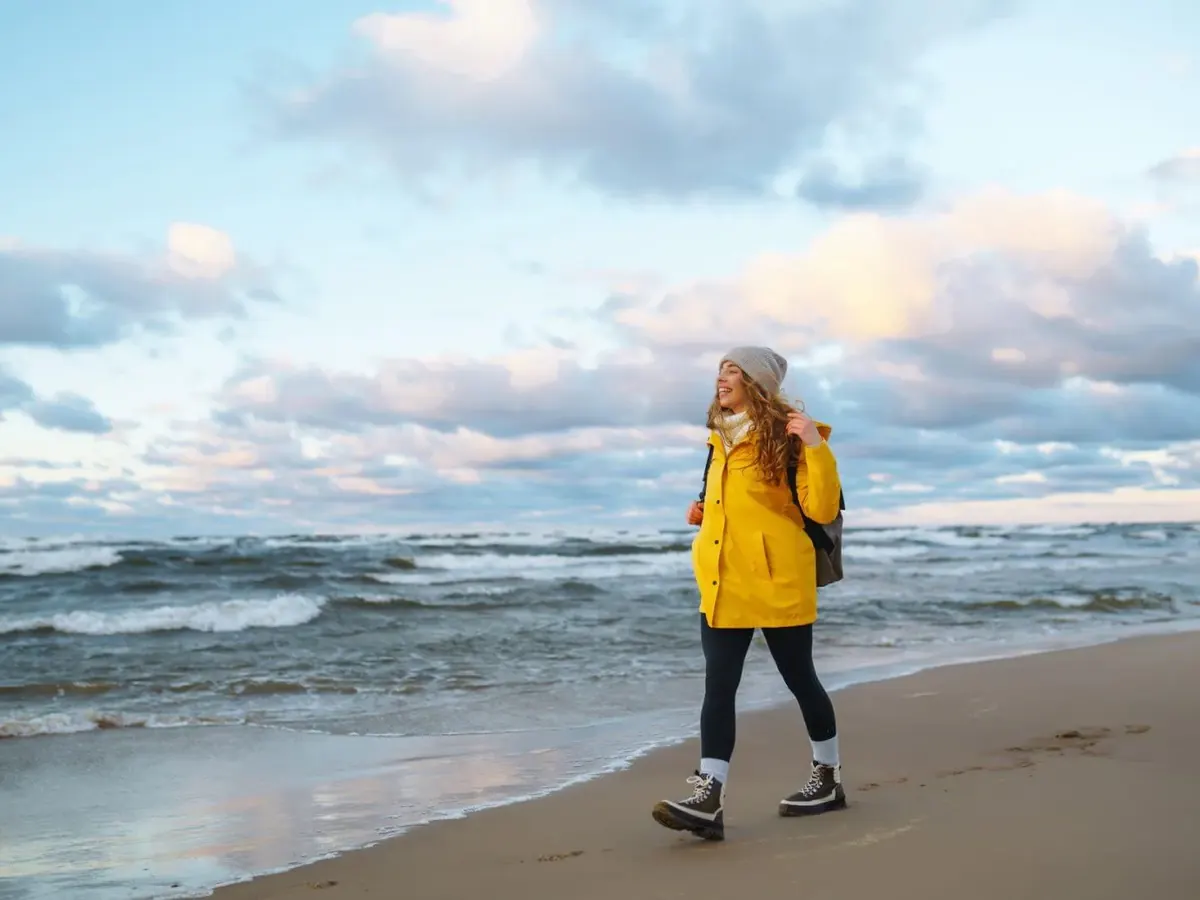
Other beaches on the Tarragona coast, beyond the city
Beyond the city, the Tarragona coast is the Costa Dorada, from Cunit to L'Hospitalet de l'Infant; further south, the Terres de l'Ebre begin. Its most popular beaches each have an entry in our Costa Dorada guide; here's a line on each, from north to south:
- Cunit Beach, in Cunit: the first on the coast as you come from the north, split into small coves by breakwaters. For families.
- Els Muntanyans, in Torredembarra: dunes and marshes protected under the Natura 2000 network. For nature lovers.
- La Pineda Beach, in Vila-seca: more than three kilometres of sand with a large seafront promenade. For families.
- Salou's beaches: Ponent and Llevant, one on each side of the marina. A lively atmosphere, and good for families.
- Cala Crancs, in Salou: the town's easternmost beach, between rocks and pines, with clear water. For couples.
- Regueral Beach, in Cambrils: the town-centre beach, where the marina begins. For families and strolls.
Keep exploring: the Costa Dorada, Calafell Beach and the coast's villages
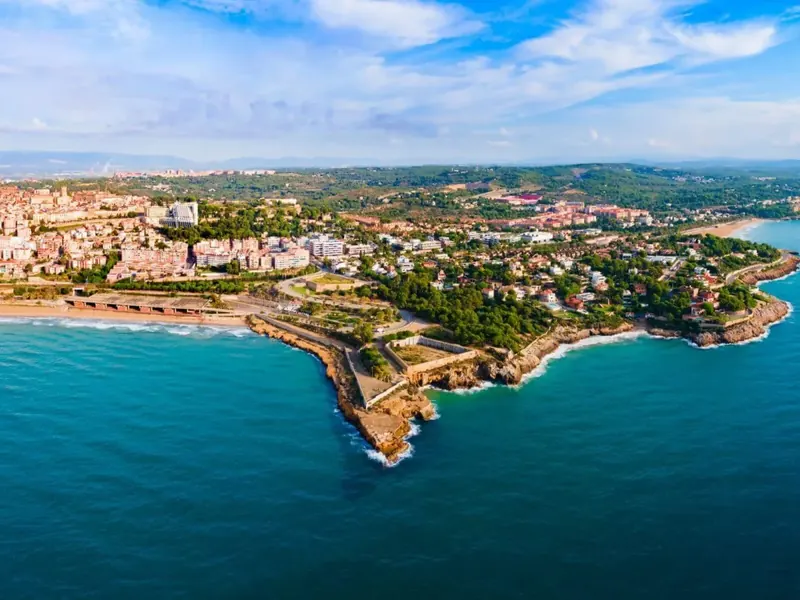
Guide to the best Costa Dorada beaches
Cunit, Torredembarra, La Pineda, Salou, Cambrils and the rest of the Costa Dorada, with a map.
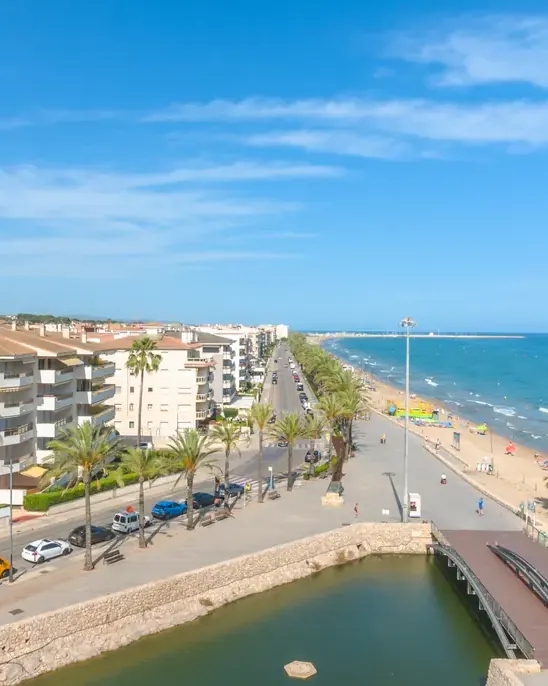
Calafell Beach and its seafront promenade
The beach right in front of Hotel Akquaaa: what it's like, photos and when to go.
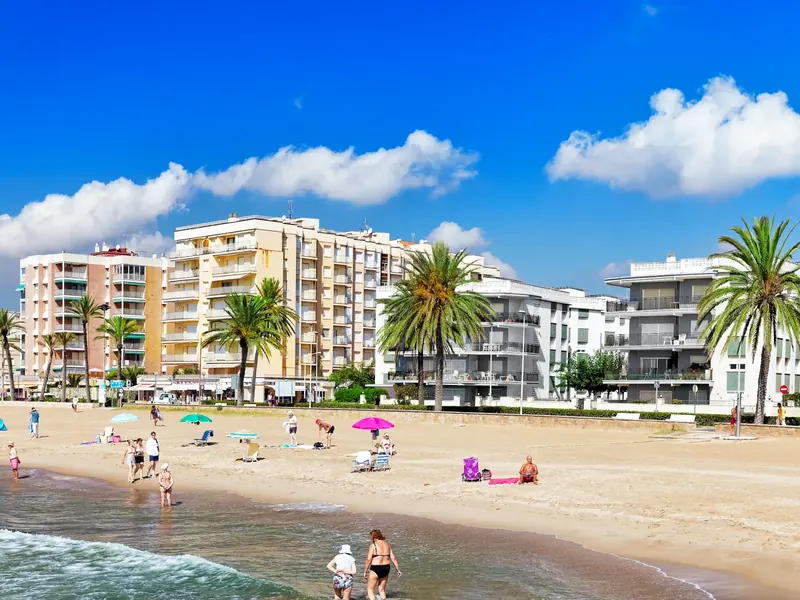
Seaside villages to combine with a day at the beach.
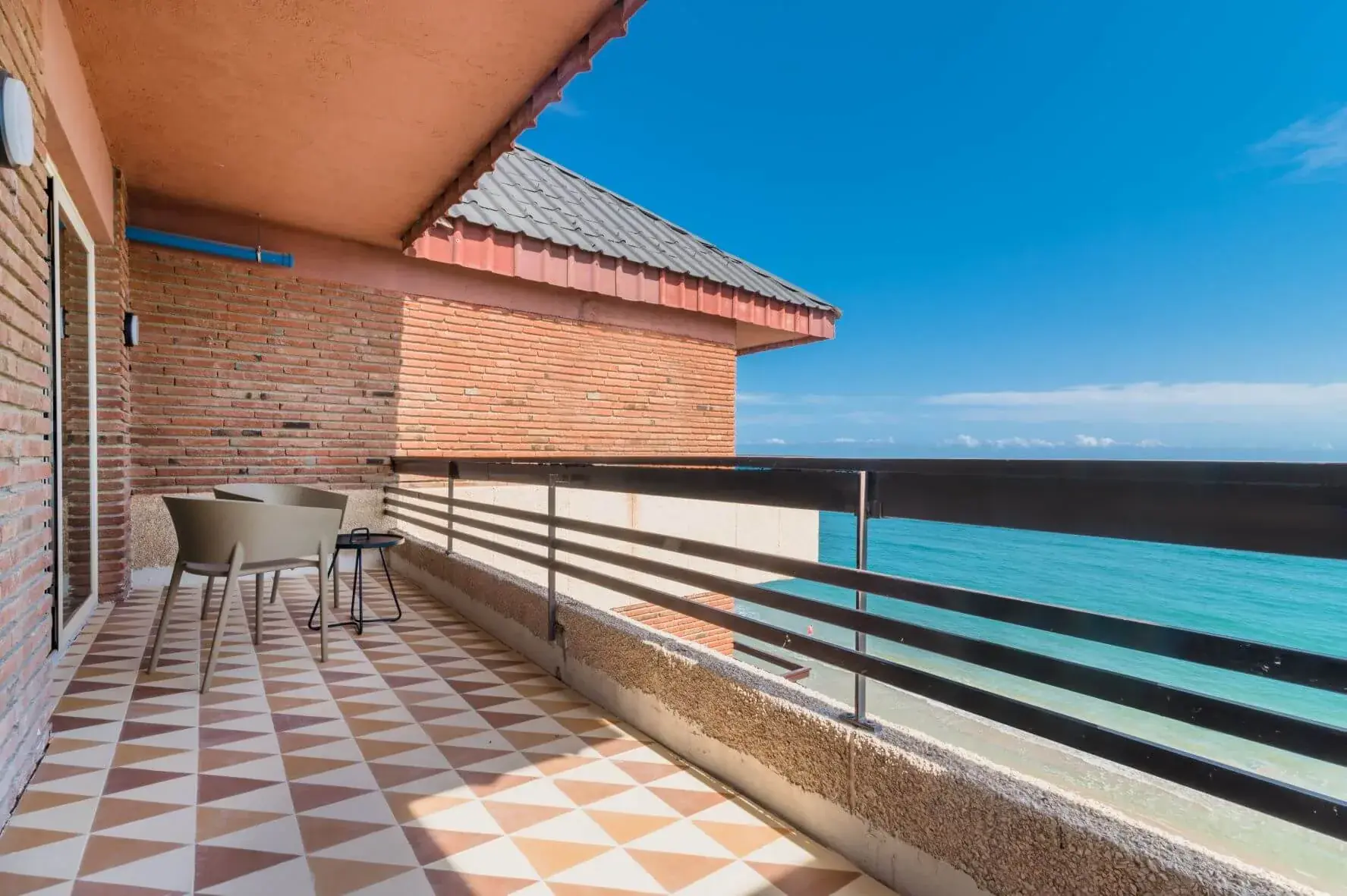
Hotel Akquaaa: on the seafront in Calafell, open all year
To get to know the Tarragona coast at an easy pace, you can base yourself in Calafell: Hotel Akquaaa, a 4-star hotel, stands on the seafront in the heart of the Costa Dorada and is open all year round. It has rooms with sea views, and the Superior, Deluxe and Attique Rooms add a private terrace. Bookings are room only; the buffet breakfast can be added separately. If you'd like more than a room, take a look at the hotel's getaways and packages: the Romantic Getaway, the Gourmet Getaway and the Work Stay.
+34 977 692 300 · reception open 24 hours
